
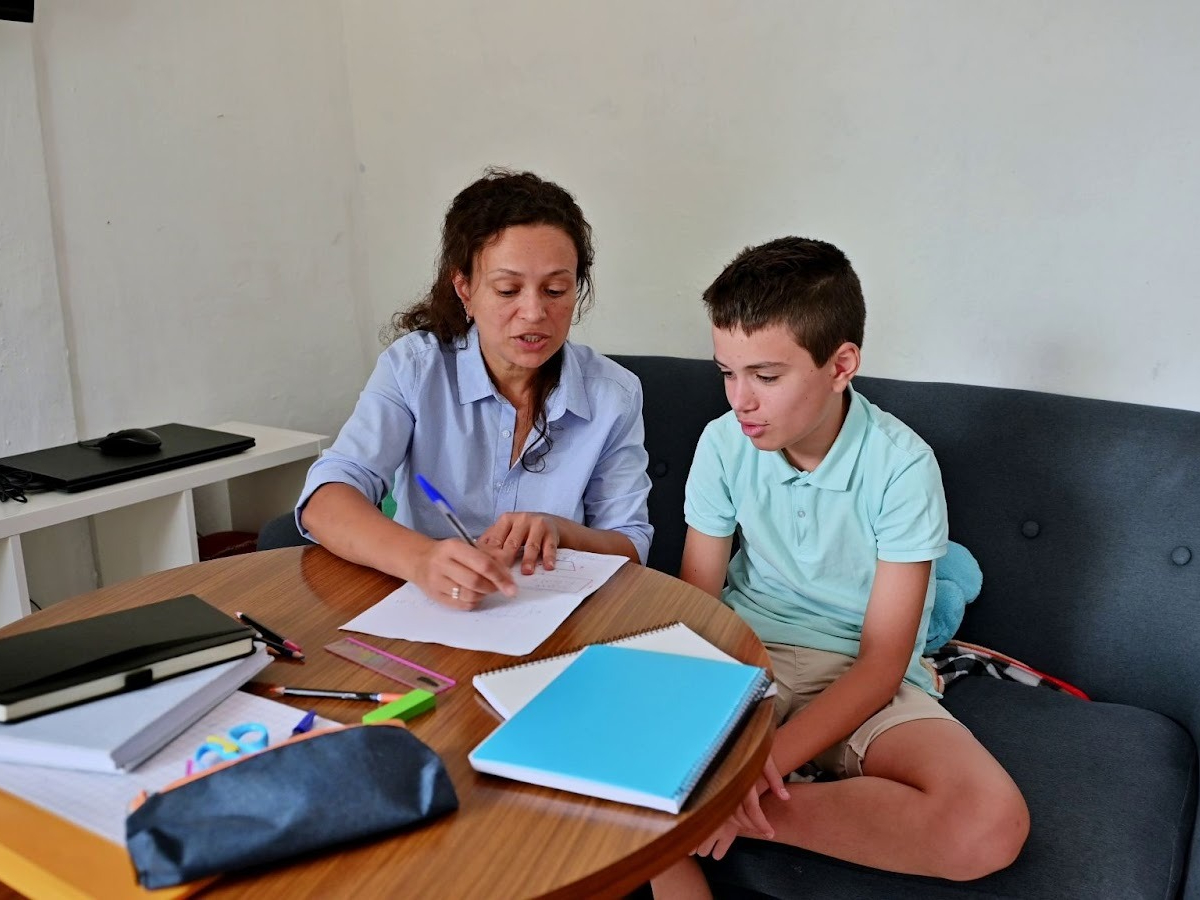

Returning to the classroom after a period away—whether due to illness, anxiety, trauma, or other challenges—can be a daunting experience for children. Both parents and teachers play a crucial role in supporting this transition, but sometimes, professional therapy is the key to helping children feel safe, confident, and ready to learn again.
Understanding the Challenges
Children may leave the classroom for many reasons: medical issues, emotional struggles, family changes, or even global events like the pandemic. When it’s time to return, they might face:
- Anxiety about being separated from home or caregivers
- Difficulty reconnecting with peers
- Academic gaps or fear of falling behind
- Trouble adjusting to routines and expectations
The Role of Therapy
Therapy provides a safe, supportive space for children to process their feelings and develop coping skills. Here’s how therapy can help:
1. Building Emotional Resilience
Therapists teach children how to identify and express their emotions in healthy ways. Through play, art, or talk therapy, kids learn to manage anxiety, sadness, or frustration, making it easier to face the challenges of returning to school.
2. Developing Social Skills
Therapy can help children rebuild confidence in social situations. Role-playing, group sessions, and social stories allow kids to practice making friends, resolving conflicts, and communicating their needs.
3. Addressing Academic Concerns
Therapists work with children to set realistic goals and manage fears about schoolwork. They may collaborate with teachers to create accommodations or strategies that support learning and reduce stress.
4. Supporting Parents and Teachers
Therapists often involve parents and teachers in the process, offering guidance on how to respond to a child’s needs. This teamwork ensures consistency and understanding both at home and in the classroom.
Practical Tips for Parents and Teachers
- Communicate openly: Encourage children to share their feelings about returning to school. Listen without judgment and validate their emotions.
- Establish routines: Predictable schedules help children feel secure. Work together to create morning and after-school routines.
- Collaborate with professionals: Stay in touch with therapists and school counselors. Share insights and strategies to support the child’s progress.
- Celebrate small wins: Acknowledge each step forward, no matter how small. Positive reinforcement builds confidence and motivation.
When to Seek Therapy
If a child shows ongoing signs of distress—such as frequent stomachaches, sleep problems, withdrawal, or refusal to attend school—therapy can provide the extra support they need. Early intervention makes a big difference in helping children thrive.
Conclusion
Therapy is a powerful tool that helps children overcome obstacles and return to the classroom with renewed strength. By working together, parents, teachers, and therapists can create a supportive environment where every child has the opportunity to succeed.