

As parents, we want the best for our kids. We want them to feel loved, safe, and supported. However, sometimes our well-meaning efforts to make life easier can inadvertently make it harder for them in the long run.

As parents, we want the best for our kids. We want them to feel loved, safe, and supported. However, sometimes our well-meaning efforts to make life easier can inadvertently make it harder for them in the long run.

As parents, we all want the best for our children—emotionally, socially, and academically. But sometimes, children face challenges they can’t express in words. This is where play therapy comes in, offering a powerful way for kids to process emotions, build resilience, and grow.
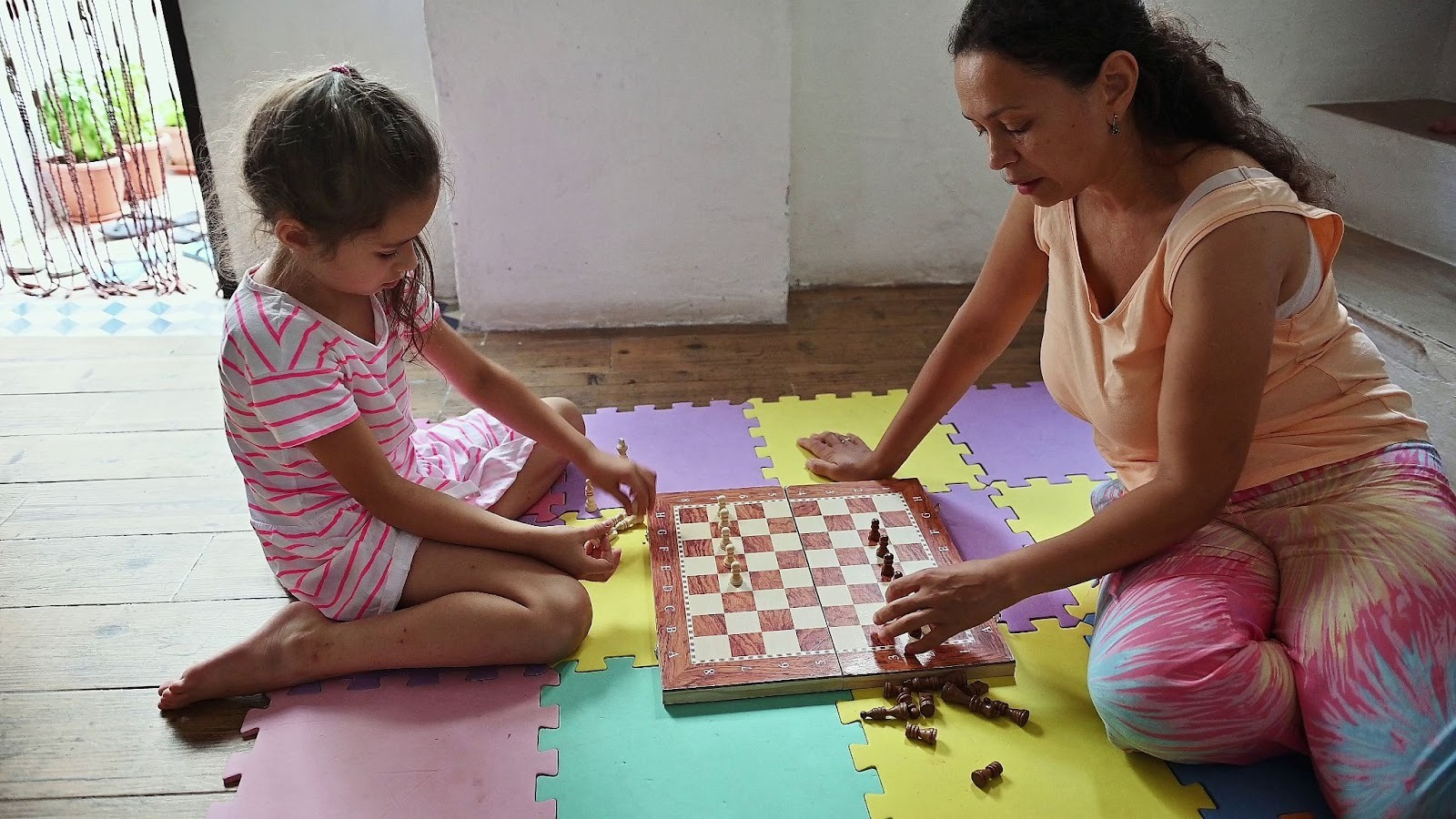
As parents, we all want to foster deep, meaningful connections with our children. One of the most effective—and enjoyable—ways to do this is through playtime. Play is more than just fun; it’s a powerful tool for building trust, communication, and emotional security.

Self-harm is a difficult and sensitive topic for any parent to face. If you suspect or know that your child is self-harming, you may feel scared, confused, or even helpless. It’s important to remember that you are not alone, and there are ways to support your child through this challenging time.

Anger is a natural emotion, even for children. While it’s normal for kids to feel angry from time to time, learning how to manage and express that anger in healthy ways is a crucial life skill. As parents, you play a vital role in guiding your children through these big feelings. Here are practical tips, real-life examples, a helpful checklist, and resources to help your child manage anger in a positive way.

Trust is the foundation of every healthy relationship, and the bond between parent and child is no exception. As children grow, their needs, perspectives, and independence evolve. Nurturing trust through each stage of development is essential for fostering open communication, emotional security, and lifelong connection.

Parenting styles play a crucial role in shaping a child’s development, self-esteem, and future relationships. Among the various approaches, permissive parenting is characterized by high responsiveness but low demands. Permissive parents are nurturing and communicative but tend to set few rules and rarely enforce consistent boundaries. While this style may seem loving and supportive, it can have significant drawbacks for children as they grow.

Parenting is a journey filled with joy, challenges, and—let’s be honest—a fair share of self-doubt. Every parent, at some point, wonders if they’re doing enough, doing it right, or simply doing it well. If you find yourself struggling with parenting insecurities, know that you’re not alone. Here are some practical tips to help you cope and build confidence in your parenting journey:
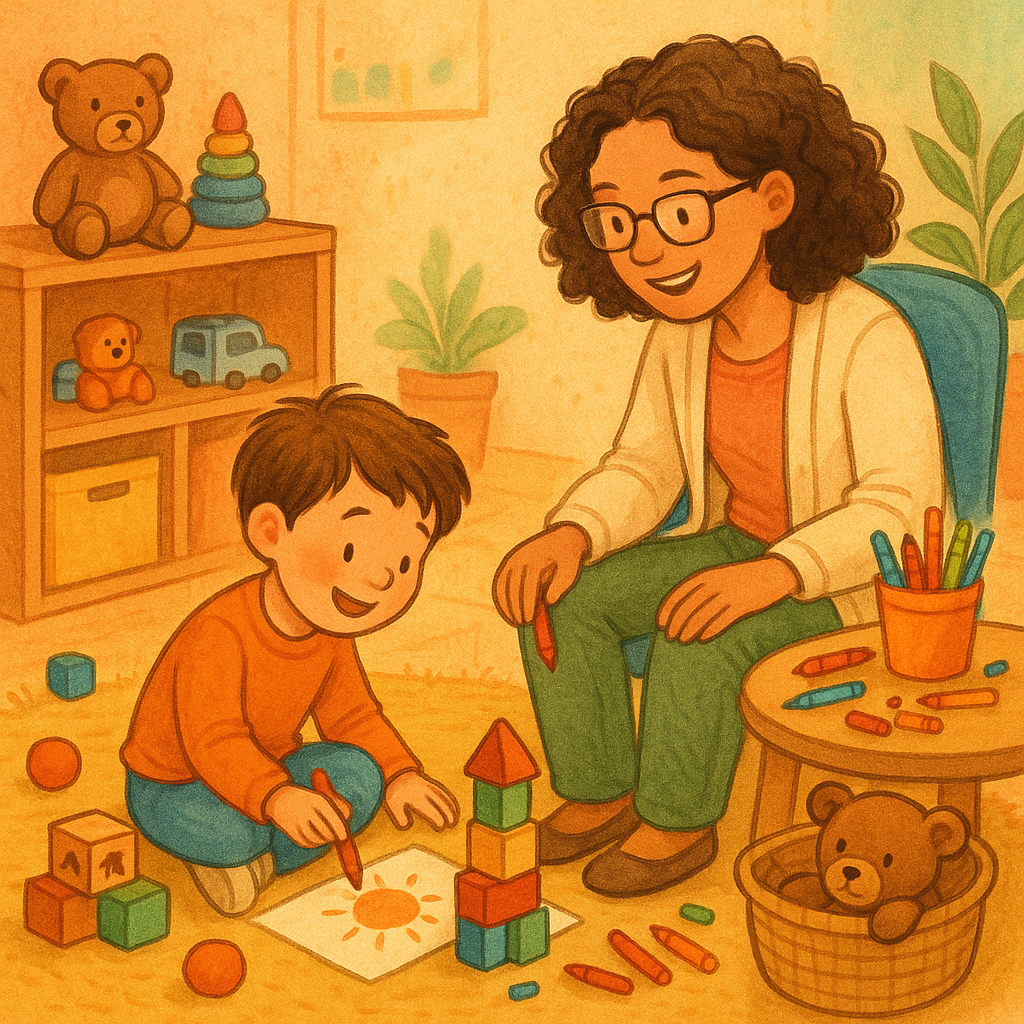
Parenting a child with ADHD or other behavioral challenges can be both rewarding and overwhelming. As a professional play therapist, I’ve seen firsthand how play therapy can be a transformative tool for children and their families. In this blog, we’ll explore how play therapy works and why it’s such a powerful approach for addressing behavioral challenges.

Phobias are more than just everyday fears—they’re intense, persistent, and can interfere with a child’s daily life. As a parent, watching your child struggle with a phobia can be heartbreaking and sometimes overwhelming. The good news? With understanding, patience, and the right strategies, you can help your child manage and overcome their fears.